
Legislative proposal for a statutory obligation to dismantle onshore wind turbines and regulation on dismantling securities
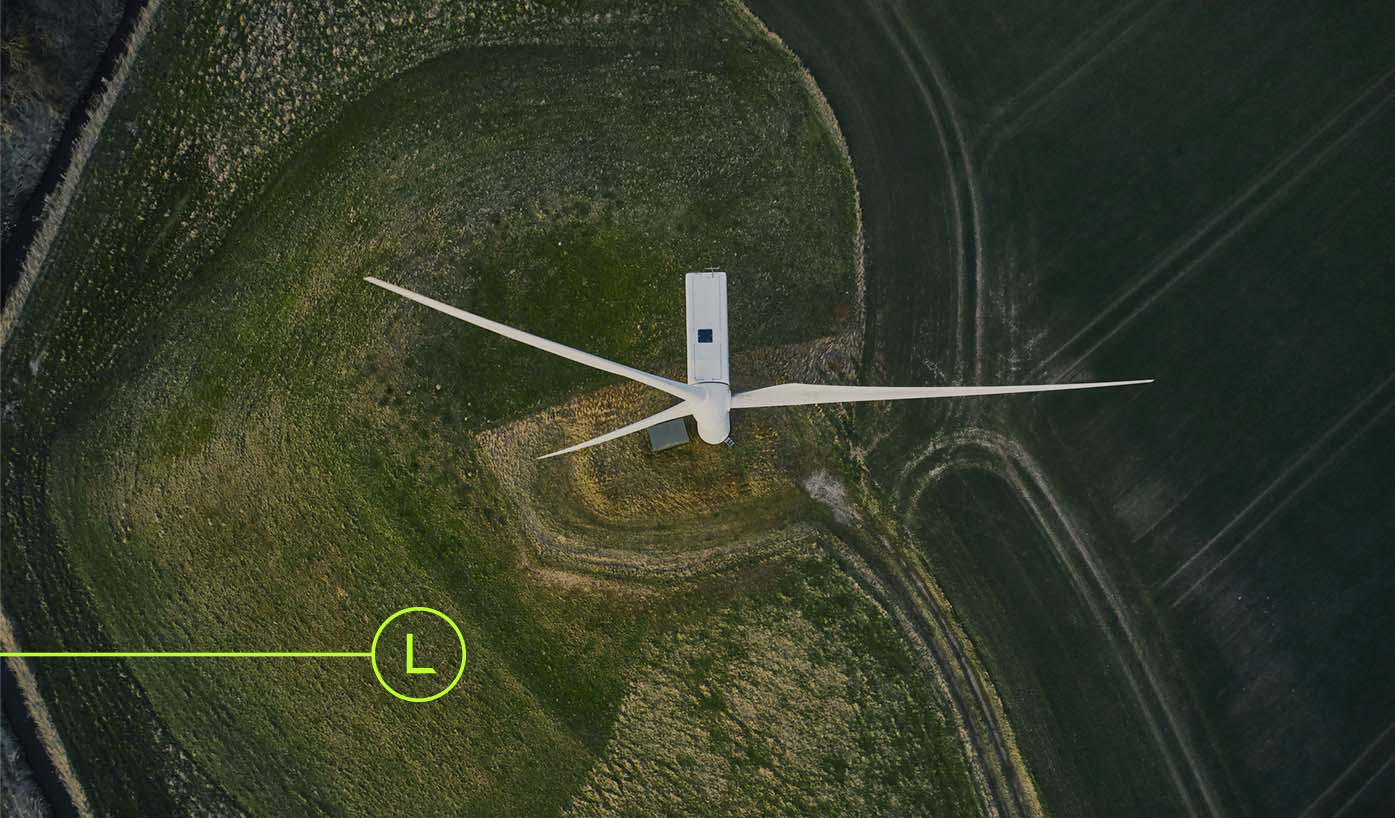
The Government is preparing a government proposal for an Act on the Dismantling of Decommissioned Onshore Wind Turbines and Dismantling Securities, and amendments to the Building Act. A draft legislative proposal was published for consultation in spring 2026. In this blog post, Lieke’s experts, Partner Alisa Montonen and Associate Iida Kivilähde, have summarised the key points of the draft proposal.
The proposal is based on a provision in Prime Minister Petteri Orpo’s government programme, according to which the government will comprehensively implement a dismantling and restoration obligation to ensure fairness in wind power construction. The proposal, drafted by the Ministry of the Environment, would apply to onshore wind turbines which exceed 30 metres in height.
Comprehensive dismantling as the starting point
To date, there is no separate regulation governing the construction and dismantling of wind turbines specifically. Instead, legal obligations relating to dismantling are currently determined by agreements between the parties, as well as general legislation concerning construction, waste management and environmental protection.
Under the now proposed legislative amendment, the general rule would be that the owner of a wind turbine would be obliged to dismantle the above-ground parts and the foundations of its wind turbine, as well as the maintenance and erection structures. A new permit type is proposed for the dismantling process, namely a demolition permit for onshore wind turbines, which would be regulated under the Building Act.
As a main rule, the dismantling should aim at restoring the area to its pre-construction state. The restoration could be achieved, for example, through landscaping, restoring vegetation, or planting trees. Where necessary, any soil or groundwater contamination would be remedied. However, the authority granting the demolition permit could order that the turbine’s foundations be dismantled only to a certain other depth if complete dismantling of the foundations would cause harmful environmental impacts. In addition, with the landowner’s consent, the authority could grant an exemption from the obligation to dismantle the erection and maintenance pad structures in certain situations, depending on the continued use of the area.
The dismantling obligation would not apply to the structures supporting electricity transmission and other infrastructure, nor would the owner of the wind turbine be obliged to restore the area required by such structures to its original state after the end of the wind power operations.
If the owner of a wind turbine would fail to fulfil their dismantling obligation, the municipal building control authority could order the dismantling to be carried out. Unless the wind turbine is located on land owned by the turbine owner, the municipality where the turbine is located would be secondarily liable, after the turbine owner, for the dismantling of the turbine and the costs arising therefrom. In light of this, provisions on a mandatory dismantling security would also be enacted.
Dismantling security to become statutory
Another significant reform proposed in the government’s draft proposal is the obligation for wind turbine owners to provide a dismantling security. The dismantling security would be provided in favour of the local authority’s building control department. The municipality where the wind turbine is located would monitor compliance with the dismantling obligations under the proposed Act, as well as the validity and adequacy of the dismantling securities.
The amounts of the security would not be set by law but would be assessed and determined by the building control authority on a case-by-case basis. The amount would be influenced by, for example, the estimated cost of dismantling, the estimated processing costs, the estimated volume of dismantling waste and materials, the recoverable economic value of the materials, and other required measures. The security could take the form of a guarantee as for one’s own debt, a pledged deposit, or a security that the municipal building control authority could access upon request.
The security should remain valid throughout the entire life cycle of the wind turbine, from its construction until its dismantling is completed. In practice, the security would be realised if the wind turbine owner were unable to fulfil their dismantling obligation. More detailed provisions regarding the security could also be laid down by a Government decree.
In addition, the proposal sets out a provision to be included in the Building Act stipulating that the construction of a wind turbine may not commence until a dismantling security has been provided.
Entry into force
The proposed Act and amendments are intended to enter into force at the beginning of 2027 and would, in principle, apply to all wind turbines falling within its scope, regardless of when they were built. However, the provisions concerning the dismantling security and the municipality’s secondary obligation to dismantle would only apply to wind turbines for which a building permit has been applied for on or after 1 January 2028.
According to the current estimated schedule, the legislative proposal is due to be presented to the Government in autumn 2026.
Special regulation for offshore wind turbines is being prepared
The draft proposal described above concerns onshore wind turbines, but a legislative project concerning the dismantling of offshore wind turbines located in the exclusive economic zone is also underway. The Government is preparing a draft proposal to amend the Water Act and certain other acts. The aim is to create the necessary provisions for the construction and dismantling of offshore wind turbines in the exclusive economic zone. This would be done by adding provisions to the Water Act concerning marine construction, dismantling and, possibly, dismantling securities, while also referring to the Building Act where relevant. The Government has recently published a study on the dismantling obligations and security for offshore wind power in Finland’s exclusive economic zone. A draft government proposal on the subject is expected in autumn 2026.
Our experts are actively monitoring the progress of these legislative projects concerning both onshore and offshore wind turbines and are ready to advise clients on all matters relating to them and the obligations they impose.
For more information please contact


-
Alisa MontonenPartner, Attorney-at-Law
-
Iida KivilähdeAssociate
Master of Laws

