
Focus on Data and Technology: What is legal work like in a rapidly changing regulatory environment?
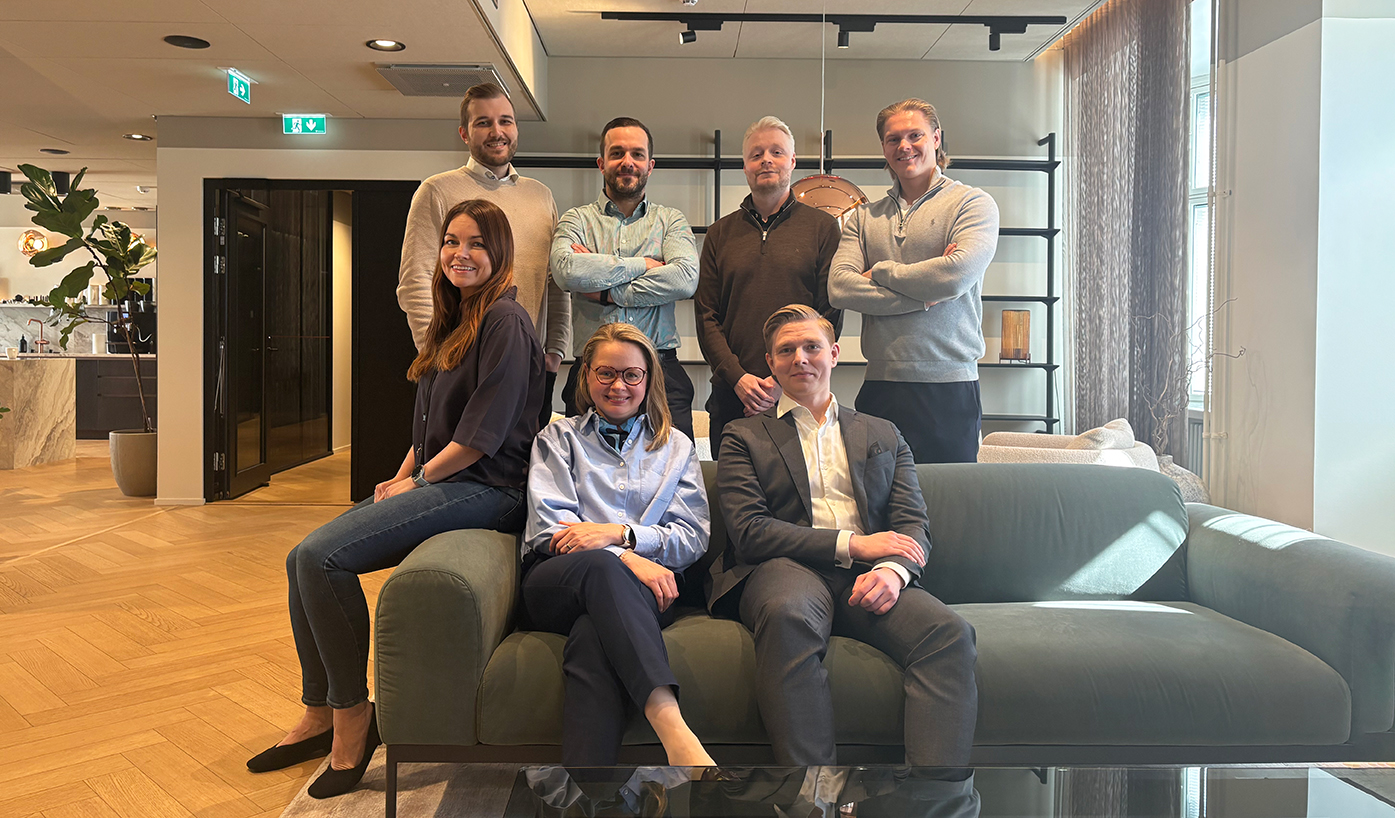
Data and Technology constitutes one of the four focus areas at Lieke. The work of the Commercial team, which is responsible for Lieke’s Data and Technology practice, includes legal issues related to data and technology, commercial agreements, and public procurement. The team comprises nine legal experts who share insights into the topics currently shaping their work, as well as their views on the future of the field.
What kinds of matters are on the Data and Technology practice’s desk?
“We primarily handle assignments related to a variety of regulatory fields such as data, cybersecurity, data protection, artificial intelligence, and intellectual property. In addition to ICT service and system agreements, our work increasingly includes technology-related issues in major equipment procurement processes as well as licensing agreements,” says Rosa Lång, Partner, Attorney-at-Law, CIPP/E, LL.M. and Head of the Data and Technology practice at Lieke. “Our work often focuses on protecting our clients’ innovations and structuring agreements related to innovation. We get to work with some of the most innovative new technologies out there,” says Senior Associate, Attorney-at-Law, CIPP/E Joona Linner.
Legal questions related to data protection also feature strongly in the team’s work. “Data protection regulation is already fairly established, but its practical application and its relationship with new legislation continue to raise new questions. Clients often turn to us for help with complex legal issues, particularly those involving new technologies or evolving practices,” says Associate Oliver Lönnblad. “Data protection matters often involve cross-practice collaboration. For example, we frequently receive queries related to electronic communications from our employment law team,” Joona adds, and Rosa continues: “In addition, we’ve had the opportunity to work on issues such as secondary use of data and medical research.”
The team benefits from close cooperation with the procurement and competition law practices. Their work includes ICT-related procurement and market court proceedings as well as competition law issues. Senior Associate, Attorney-at-Law Markus Pulkkinen and Associate Toni Tainio note: “We have strong expertise in ICT regulation and procurement from both the contracting authority and supplier perspectives. By combining an understanding of both sides, we can provide exceptionally high-quality service to our clients.” Senior Associate, LL.M. Sofia Evans adds: “Competition law issues arise both in contracts and transactions. In mergers and acquisitions, there is also an increasing focus on foreign investment approval processes.”
What are the current legal trends related to data and technology and what does the future look like?
Regulation has increased rapidly, and it has an effect on the daily operations of an increasing number of organisations and industries, expanding the team’s scope of work.
“Digitalisation, artificial intelligence, and expanding regulation affect many clients whose core business was not previously so closely tied to these issues. Cyber, data, and AI regulation in particular now impact many clients outside the traditional ICT sector,” Joona explains. “Multinational enterprises are often surprised by Finland’s strict data protection legislation in the employment context. Systems and practices used elsewhere in the world, or even within the EU, are not necessarily lawful in Finland,” Rosa adds.
Lawyers must understand both regulation and the client’s business. “Previously, ICT contracts were largely commercial negotiations. Today, they must also incorporate extensive regulatory considerations,” says Rosa. There have also been changes in practical work. “The focus of regulation has shifted somewhat towards achieving certain outcomes rather than following precise procedures, meaning lawyers must understand clients’ products and business structures thoroughly,” Sofia explains. “For example, in data-related matters, lawyers must truly understand the technical nature of the issue and how it sits within the overall picture: how data moves and whether it involves, for example, a data processing service. New regulation requires increasingly close collaboration with technical experts,” Joona continues. Sofia highlights another trend: “Vulnerabilities in global supply chains have become more evident in recent years, and these risks must be assessed more critically. Geopolitical changes are also reflected in regulation, requiring companies to consider sanctions and export control processes.”
The team identifies rapidly evolving international regulation as a key trend. “EU-level regulation has increased significantly and changes frequently. Sometimes the need for changes becomes apparent even before legislation enters into force. In particular, AI, digital, and Omnibus initiatives are currently visible in EU regulation. International aspects must be considered in all our work, for example in cross-border data transfers,” Joona notes. Fragmented regulation presents its own challenges. “Data and technology issues often sit across a broad, multi-layered legal landscape involving a wide range of fragmented legislation. Although regulation evolves quickly, it does not always keep pace with technological development. In such cases, rules must be applied to issues the legislator may not have fully anticipated,” Rosa adds.
Looking ahead, our team expects tasks to become more complex and detailed. “The focus is shifting from general issues towards more specific and complex questions,” Oliver says. “While the fundamentals of competition law remain unchanged, situations are becoming increasingly complex. The existing rules need to be applied in entirely new contexts,” Sofia continues. “The ability to respond swiftly will become increasingly critical, driven among other things by more stringent reporting obligations under new regulation. This requires an in-depth grasp of many issues even before any specific matter actually arises,” Joona adds.
What is it like to work in Lieke’s Data and Technology practice?
Cross-practice collaboration is central to the team’s diverse assignments. “Issues are often broad and complex, so handling them requires strong cooperation within the team, across practices, and with clients,” Joona says. “Many of our clients are public entities that must continuously consider, among other things, procurement legislation in their operations, especially in the energy sector. Fortunately, colleagues are always nearby and ready to brainstorm,” Toni notes.
Associate Matias Lagerblom works both in the Data and Technology practice and in Lieke’s Dispute Resolution team. “Being part of two teams allows you to utilise your expertise across practice areas. As a junior lawyer, you don’t need to limit yourself to just one specialisation,” he explains.
Sofia and Oliver note that working with data and technology requires “the ability to combine knowledge from different industries and areas of law, as well as familiarity with multiple regulatory frameworks.” The team includes experts with diverse backgrounds, including experience in law firms, in-house roles, and public sector positions. For example, Senior Associate, Attorney-at-Law, CIPP/E Heidi Krootila has worked as a Data Protection Officer in a major Finnish research organisation, Markus as a lawyer at the Finnish Transport and Communications Agency’s Cybersecurity Centre, and Sofia as a senior specialist in export control at the Ministry for Foreign Affairs.
“Problem-solving skills, precision, and strong written communication are essential in our team, as in the legal profession in general. In addition, it is crucial to understand the client’s business, technical issues, and the broader context. The work is very diverse,” says Matias. “You must be able to translate complex regulatory requirements into business language. Strong negotiation and interpersonal skills are extremely important,” Joona adds.
The experts summarise working in Lieke’s Data and Technology practice as “diverse, interesting, and a continuous learning experience.”
For more information please contact
-
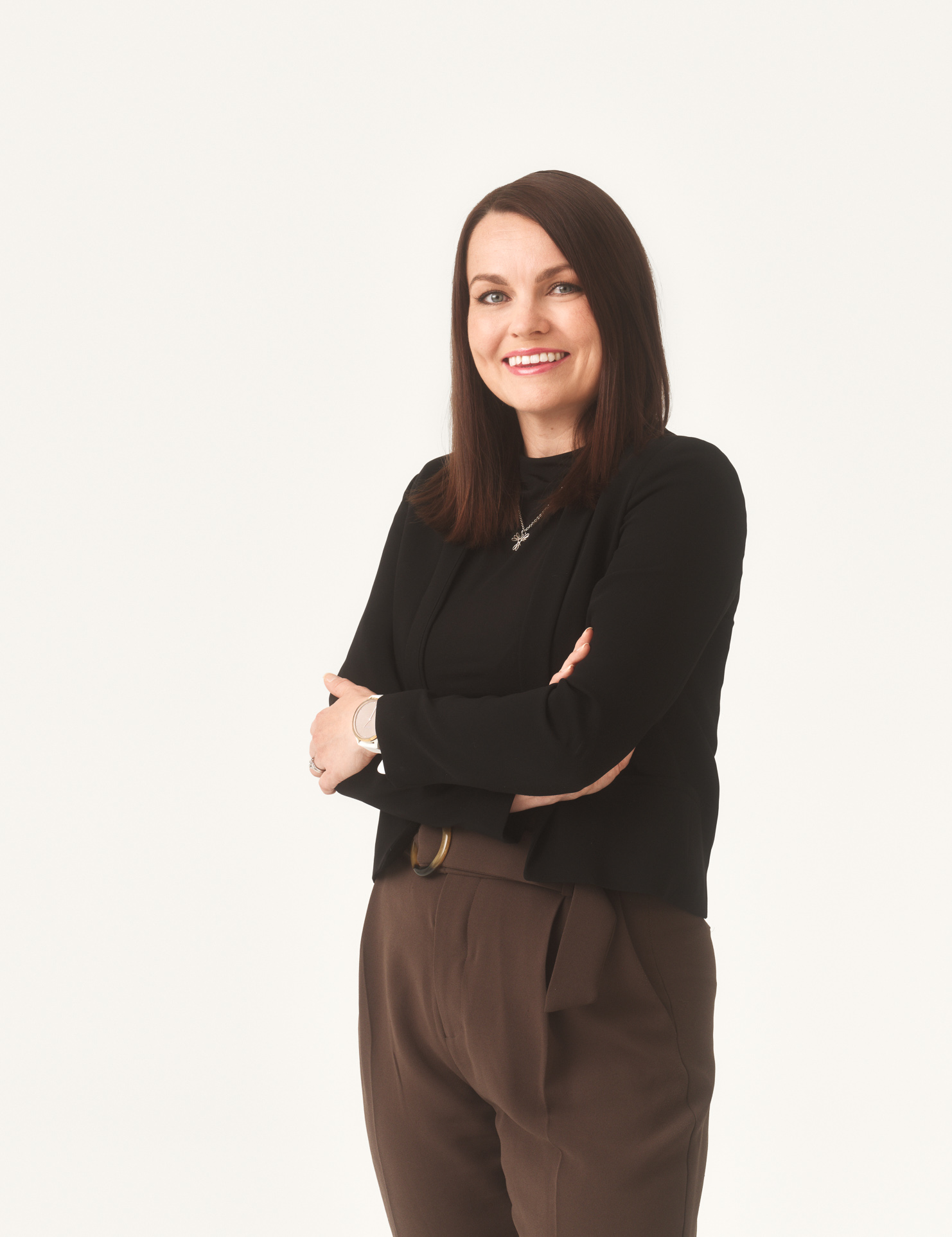
Rosa LångPartner
Attorney-at-Law, CIPP/E, LL.M.
Team





-
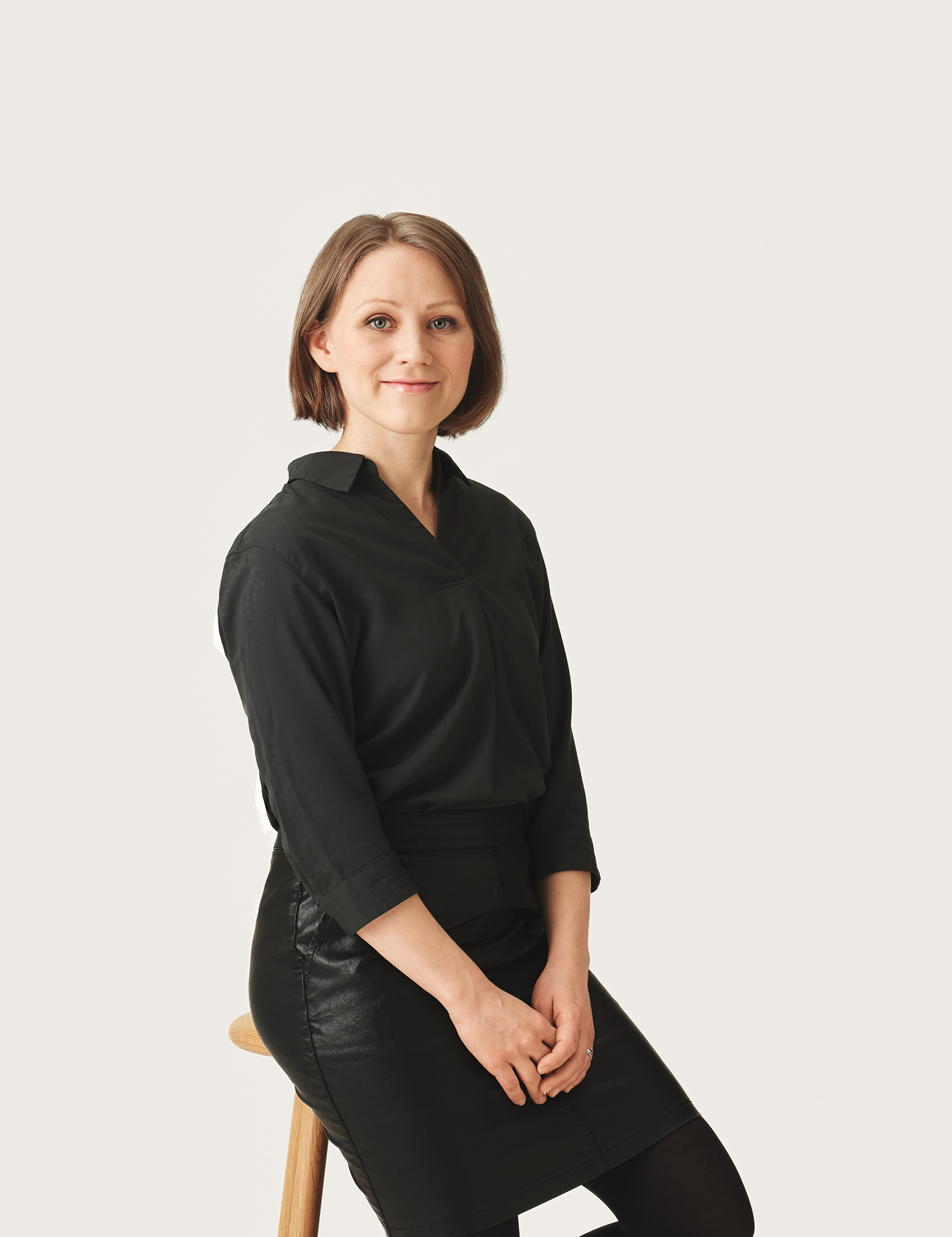
Joona LinnerSenior Associate
Attorney-at-Law, CIPP/E -
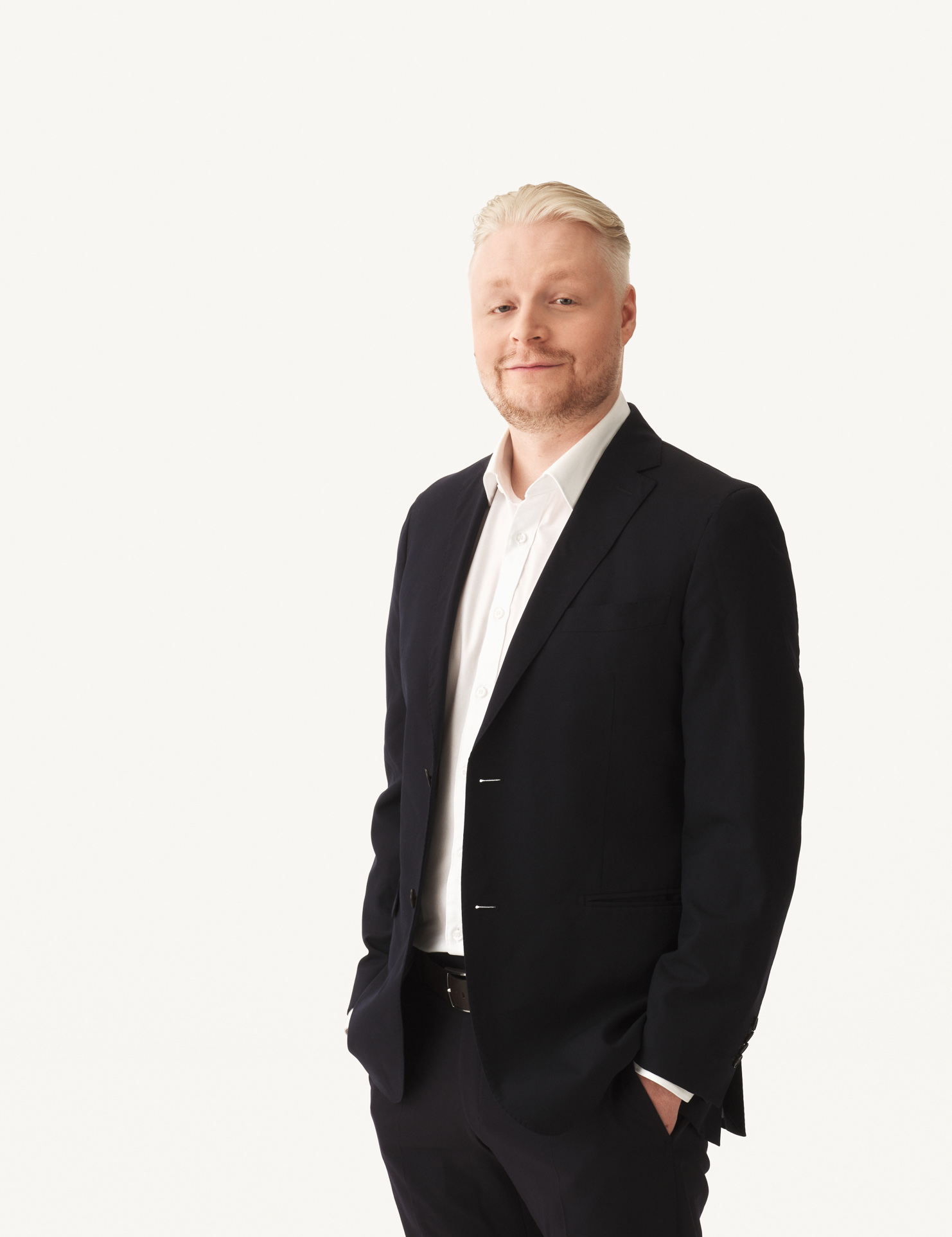
Heidi KrootilaSenior Associate
Attorney-at-Law, CIPP/E -
Markus PulkkinenSenior Associate
Attorney-at-Law -
Sofia EvansSenior Associate
LL.M. -
Oliver LönnbladAssociate
Master of Laws -
Toni TainioAssociate
Master of Laws -
Matias LagerblomAssociate
Master of Laws

